Choosing the right brush hair is one of the most important decisions for any art brand, wholesaler, or distributor developing a new paintbrush line. Whether you serve professional painters, hobbyists, or students, the material of the brush hair directly determines performance, price positioning, durability, and your customer’s painting experience.
At Fontainebleau, we help global art brands select the most suitable natural or synthetic materials based on their target users, budget, and artistic needs. This guide breaks down the differences between natural and synthetic brush hair—and helps you make the right decision for your next product line.
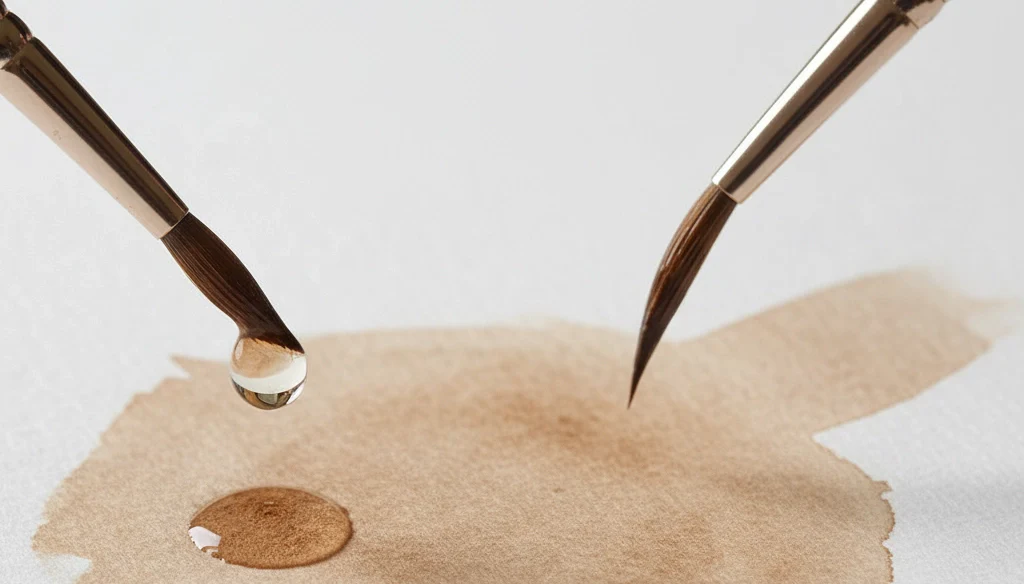
Natural hair contains scales, cuticles, and inner cavities, allowing it to store and release water or paint very efficiently.
Key Features
Exceptional water/pigment load
Soft stroke, organic texture
Natural taper → very fine point (especially sable/Kolinsky)
Premium look & feel
Best For
Professional watercolor sets
High-end oil painting brushes
Artists seeking soft blending and expressive textures
Positioning: High-value, premium series.
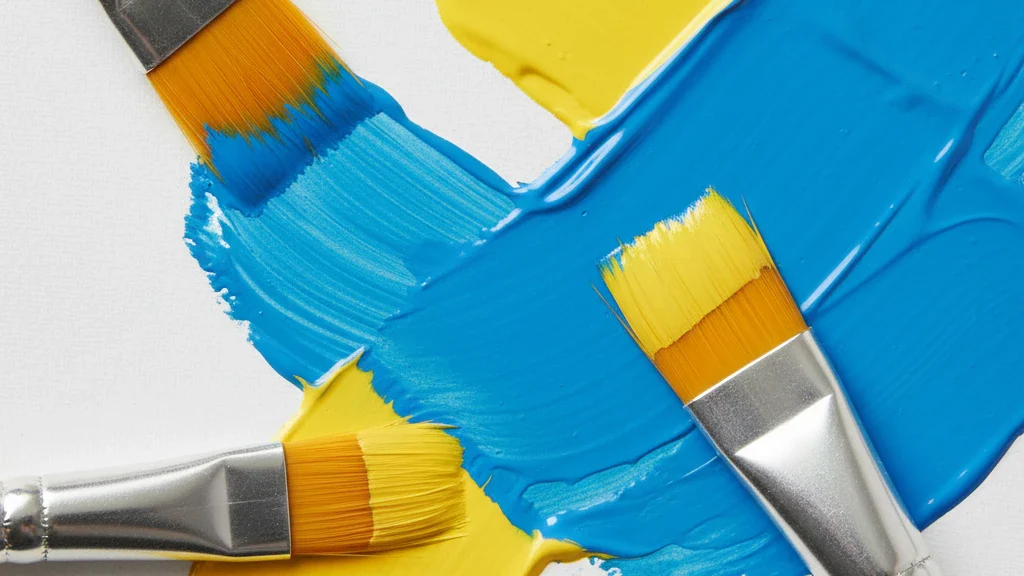
Synthetic fibers are smooth and non-porous, designed for perfect snap, shape retention, and durability.
Key Features
High spring & shape memory
Durable and solvent-resistant
Consistent performance, easy to clean
Cost-effective for mass-market lines
Best For
Acrylic brush lines
Entry-level & educational sets
Fine detail brushes requiring sharp points
Positioning: Versatile, affordable, high-durability lines.
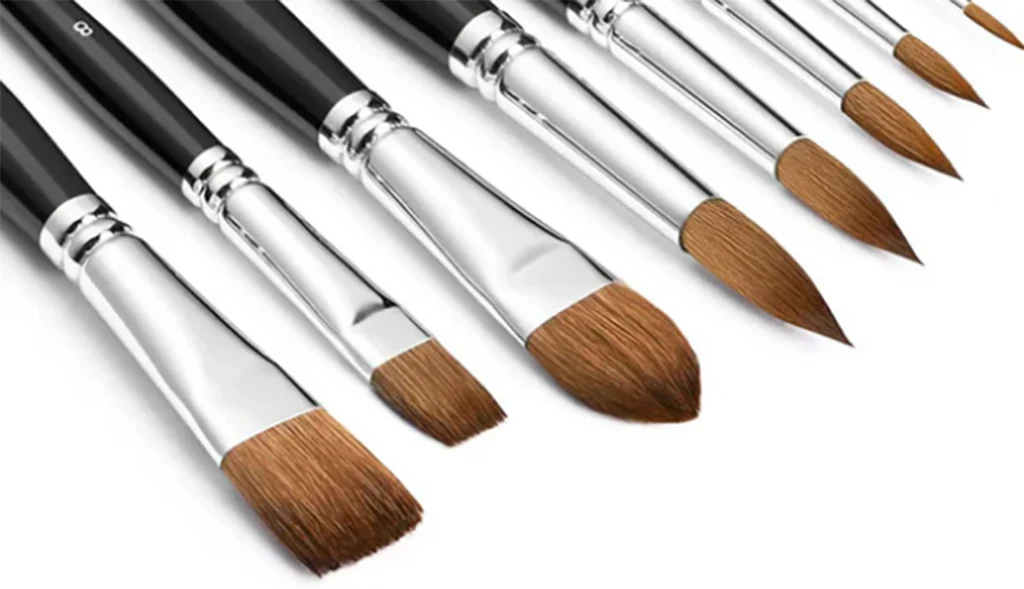
Best performance: Kolinsky sable, blend sable, squirrel
Cost-effective option: Soft synthetic blends
Pro tip: Offer a dual-tier line: synthetics for beginners + sable series for professionals
Best performance: Firm synthetic (nylon/Taklon)
Why: Acrylic’s alkaline nature damages natural hair
Pro tip: Promote durability and easy cleaning as key selling points
Texture & impasto: Hog bristle
Smooth blending: Soft synthetic or sable
Pro tip: Many brands now combine natural + synthetic in the same series
| Factor | Natural Hair | Synthetic Hair |
|---|---|---|
| Cost | High | Low–Medium |
| Durability | Low–Medium | High |
| Best For | Premium lines | Entry-level, mid-range |
| Care Required | High | Low |
| Ethical Choice | Not always | Fully cruelty-free |
For large distributors and brands developing multi-tier product lines, combining both materials creates a complete offering.
As a professional paintbrush manufacturer, Fontainebleau provides more than 30+ types of hair materials, customized to your brand needs:
Kolinsky sable
Sable blends
Squirrel
Hog bristle
Goat hair
High-end taklon
Textured crimped filaments
Tapered & flagged nylon
Synthetic-sable blends
Custom color-dyed fibers
Multi-material blending
Custom stiffness adjustment
Color-coded fibers
Vegan alternatives
Exclusive fiber mixes
Whether you want premium professional brushes or high-volume educational sets, we match hair type to your market strategy.
Ask yourself:
Professionals → Natural or advanced synthetic blends
Hobbyists/students → Durable synthetics
Watercolor → Soft natural or soft synthetic
Acrylic → Firm synthetic only
Oil → Hog or soft synthetic
High-end → Kolinsky, sable
Mid-range → Synthetic blends
Entry-level → Pure synthetic
A clear answer to these three questions will immediately narrow down the correct choice.
At Fontainebleau, we support global art brands, wholesalers, and distributors in building competitive brush collections through:
Professional OEM/ODM service
Material consulting
Full-series development (from student to master-level)
Stable quality control
Global shipping & production reliability
If you’re planning a new brush series—or upgrading an existing one—our team can guide you through hair material selection, product structure, testing, and full custom development.
👉 Ready to create your next brush line? Contact us to begin sampling and development.

